
A Complete Guide to Cross-Border and International Tax Compliance
By Dellendo Farquharson
·
7/9/2026
·
7 views
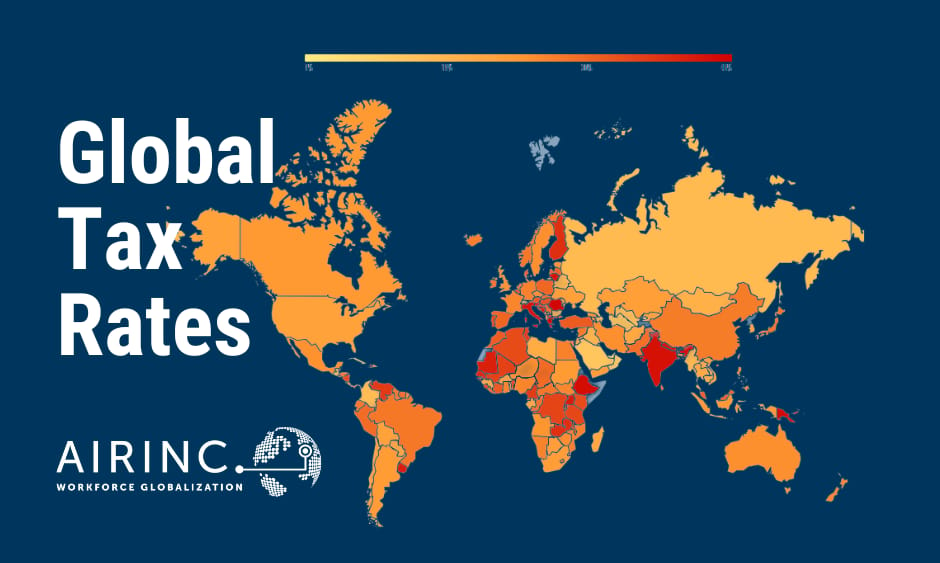
As remote work, international investment, and global business expansion become the norm, more individuals and companies face complex cross-border tax obligations. This guide breaks down the key concepts every taxpayer with international ties should understand.
## Tax Residency: The Foundation of Cross-Border Tax
Your tax residency status — not just your citizenship — largely determines where you owe tax. Most countries use tests based on physical presence (days spent in-country), permanent home location, or center of vital interests. Dual tax residency can occur when two countries' rules both claim you as a resident, which is where tax treaties become essential.
## Double Taxation and Tax Treaties
Most developed nations maintain bilateral tax treaties designed to prevent the same income from being taxed twice. These treaties typically establish which country has primary taxing rights over specific income types (employment income, business profits, dividends, royalties) and provide mechanisms like foreign tax credits or exemptions to eliminate double taxation.
## Common Cross-Border Scenarios
**Non-Resident Taxpayers:** If you earn income in a country where you're not a tax resident (e.g., rental income from a property abroad), you typically owe non-resident tax on that specific income, often at different rates and with different filing requirements than residents.
**Expatriates and Remote Workers:** Citizens working abroad may need to file in both their home country and country of residence, depending on citizenship-based taxation rules (notably in the United States) or treaty provisions.
**International Business Structuring:** Companies operating across borders must navigate transfer pricing rules, permanent establishment risk (which can trigger unexpected tax obligations in a foreign country), and controlled foreign corporation rules designed to prevent profit shifting to low-tax jurisdictions.
## Key Compliance Areas
- **Transfer Pricing Documentation:** Multinational businesses must document that transactions between related entities in different countries occur at arm's-length market rates.
- **Foreign Entity Reporting:** Many countries require disclosure of foreign bank accounts, foreign corporations, or foreign trusts (e.g., FBAR and Form 5471 in the US).
- **Permanent Establishment Analysis:** Even a single employee or dependent agent in a foreign country can create a taxable presence there, triggering local corporate tax obligations.
- **Offshore Compliance Programs:** Voluntary disclosure programs exist in many jurisdictions for taxpayers who need to correct historical non-compliance with foreign asset reporting.
## Why Specialized Expertise Matters
Cross-border tax rules are among the most complex areas of tax law, with severe penalties for non-compliance in many jurisdictions. Working with an accountant who specifically specializes in international and cross-border tax — rather than a general practitioner — can mean the difference between costly penalties and a smoothly optimized global tax position.
Tax Pro Local's directory allows you to filter specifically for firms offering international tax, cross-border tax, non-resident tax, and transfer pricing services, connecting you with professionals experienced in the specific cross-border scenarios relevant to your situation.
## Tax Residency: The Foundation of Cross-Border Tax
Your tax residency status — not just your citizenship — largely determines where you owe tax. Most countries use tests based on physical presence (days spent in-country), permanent home location, or center of vital interests. Dual tax residency can occur when two countries' rules both claim you as a resident, which is where tax treaties become essential.
## Double Taxation and Tax Treaties
Most developed nations maintain bilateral tax treaties designed to prevent the same income from being taxed twice. These treaties typically establish which country has primary taxing rights over specific income types (employment income, business profits, dividends, royalties) and provide mechanisms like foreign tax credits or exemptions to eliminate double taxation.
## Common Cross-Border Scenarios
**Non-Resident Taxpayers:** If you earn income in a country where you're not a tax resident (e.g., rental income from a property abroad), you typically owe non-resident tax on that specific income, often at different rates and with different filing requirements than residents.
**Expatriates and Remote Workers:** Citizens working abroad may need to file in both their home country and country of residence, depending on citizenship-based taxation rules (notably in the United States) or treaty provisions.
**International Business Structuring:** Companies operating across borders must navigate transfer pricing rules, permanent establishment risk (which can trigger unexpected tax obligations in a foreign country), and controlled foreign corporation rules designed to prevent profit shifting to low-tax jurisdictions.
## Key Compliance Areas
- **Transfer Pricing Documentation:** Multinational businesses must document that transactions between related entities in different countries occur at arm's-length market rates.
- **Foreign Entity Reporting:** Many countries require disclosure of foreign bank accounts, foreign corporations, or foreign trusts (e.g., FBAR and Form 5471 in the US).
- **Permanent Establishment Analysis:** Even a single employee or dependent agent in a foreign country can create a taxable presence there, triggering local corporate tax obligations.
- **Offshore Compliance Programs:** Voluntary disclosure programs exist in many jurisdictions for taxpayers who need to correct historical non-compliance with foreign asset reporting.
## Why Specialized Expertise Matters
Cross-border tax rules are among the most complex areas of tax law, with severe penalties for non-compliance in many jurisdictions. Working with an accountant who specifically specializes in international and cross-border tax — rather than a general practitioner — can mean the difference between costly penalties and a smoothly optimized global tax position.
Tax Pro Local's directory allows you to filter specifically for firms offering international tax, cross-border tax, non-resident tax, and transfer pricing services, connecting you with professionals experienced in the specific cross-border scenarios relevant to your situation.